A $5,000 hospital bill can earn $100 on a 2% cash-back card. But that reward matters only if the payment strategy itself makes sense.
For medical expenses, the first question is not “Which card earns the most?” It is whether you can pay the bill in full or need time to repay it. If you can pay in full, rewards and fees matter more. If you need months, the 0% intro APR period and the monthly payoff target should come first.
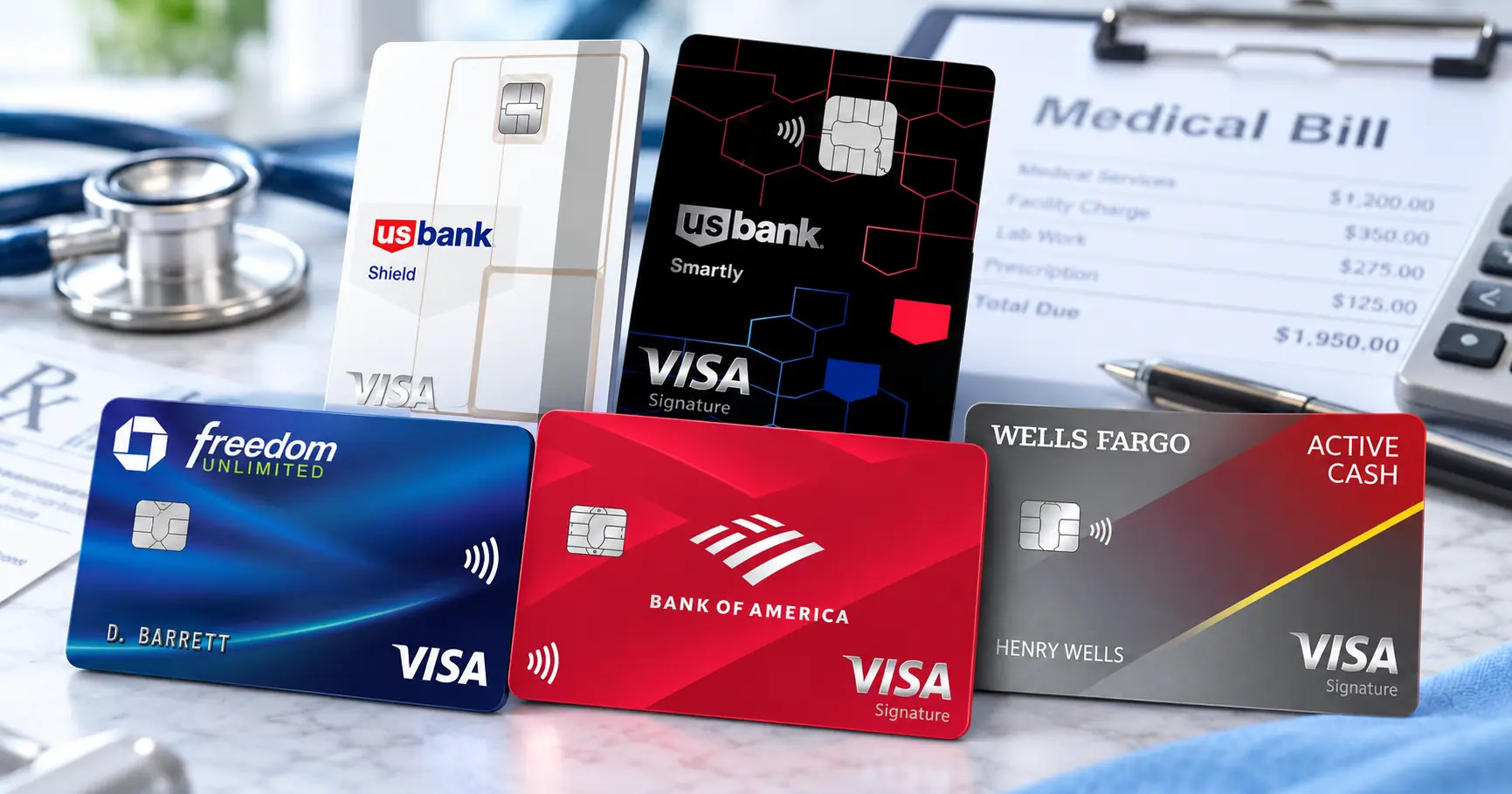
Quick picks: Best credit cards for medical expenses
Confirm the bill after insurance, ask about financial assistance or a provider payment plan, and check for a card-processing fee or self-pay discount. A lower bill is more valuable than a higher reward rate.
How we chose these cards
Medical expenses can turn a rewards decision into a financing decision. We therefore prioritized four things: the length of the 0% purchase APR period, the reward rate that is likely to apply to the actual merchant, the provider’s payment cost, and whether each card solves a different reader problem.
We also separated direct hospital or physician charges from drugstore and pharmacy spending. A health-related purchase does not automatically qualify for a drugstore bonus category.
Simple 2% rewards plus a short 0% window
Wells Fargo Active Cash® Card — Best overall
Why it fits
Active Cash earns unlimited 2% cash rewards on eligible purchases, has a $0 annual fee and currently offers 0% intro APR for 12 months from account opening on purchases. The current general online offer is $100 cash rewards after $500 in purchases in the first three months; Wells Fargo notes that offers can vary by marketing channel.
Official Wells Fargo details →
More time matters more than rewards
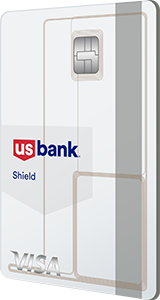
U.S. Bank Shield® Visa® Card — Best for a long 0% APR runway
Why it fits
Shield currently offers 0% intro APR on purchases for 21 billing cycles with a $0 annual fee. A $10,000 balance divided evenly across 21 billing cycles works out to roughly $476.19 per cycle.
Its headline rewards are not the reason to choose it for medical expenses: the advertised 4% cash back applies to prepaid air, hotel and car reservations booked through the U.S. Bank Travel Center, not hospital bills.
High first-year rate when the merchant really is a pharmacy
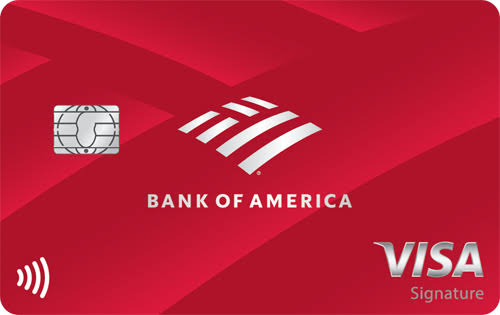
Bank of America® Customized Cash Rewards — Best for first-year drugstore and pharmacy spending
Why it fits
New cardholders can currently choose drug stores and pharmacies as a 6% cash-back category for the first year. The card also earns 2% at grocery stores and wholesale clubs and 1% on other purchases. The 6% and 2% rates share a $2,500 combined quarterly purchase cap; purchases above the cap earn 1%.
The card has a $0 annual fee, currently offers 0% intro APR on purchases for the first 15 billing cycles and advertises a $200 online cash rewards bonus after at least $1,000 in purchases in the first 90 days.
Official Bank of America details →
A simpler ongoing drugstore category
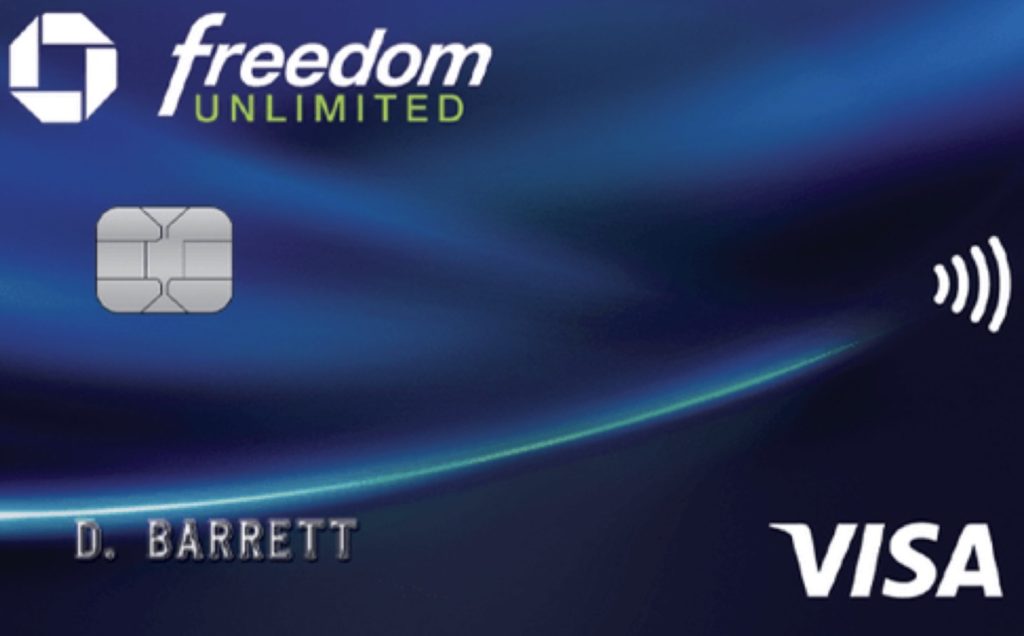
Chase Freedom Unlimited® — Best for ongoing drugstore spending
Why it fits
Freedom Unlimited currently earns 3% cash back at qualifying drugstores, 3% on dining including takeout and eligible delivery, 5% through Chase Travel and 1.5% on other purchases. It has a $0 annual fee and currently offers 0% intro APR for 15 months from account opening on purchases.
Chase also advertises a $200 bonus after $500 in purchases in the first three months.
Relationship-based upside for readers who already qualify
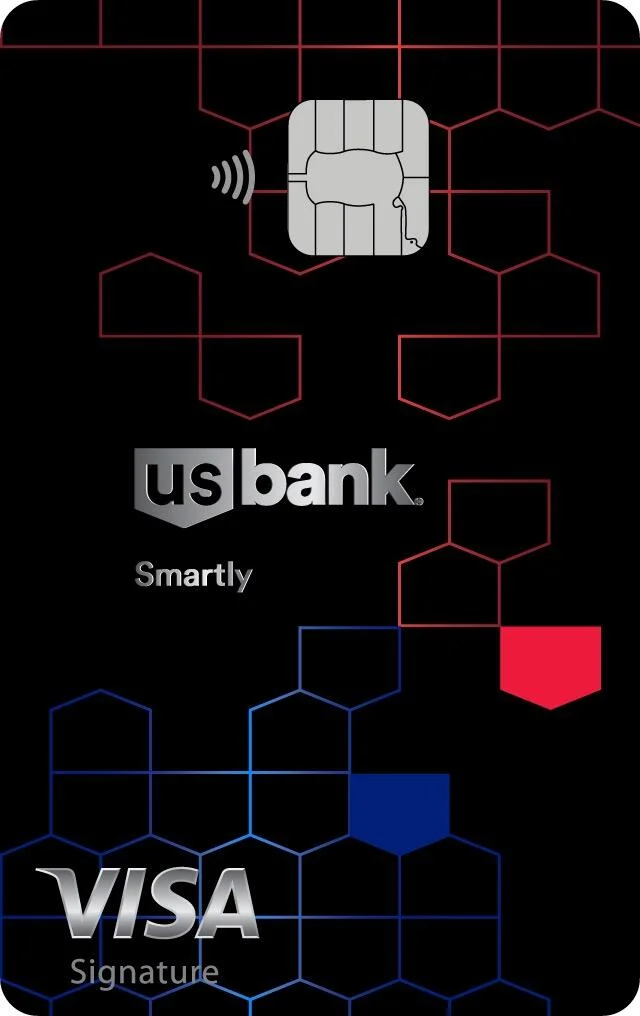
U.S. Bank Smartly™ Visa Signature® — Best for an existing qualifying Smartly relationship
Why it fits
The card earns 2% base cash back on eligible net purchases. With U.S. Bank Smartly Savings plus qualifying balances in open consumer Smartly Checking and/or Safe Debit accounts, the total rate can rise to 2.5%, 3% or 4% at the current balance tiers.
The extra Smartly Earning Bonus applies only to the first $10,000 in eligible net purchases each billing cycle, and certain transactions—including some third-party bill-payment services—earn only the 2% base rate. The card has a $0 annual fee and currently offers 0% intro APR on purchases for the first 12 billing cycles.
Compare our picks
| Card | Best for | Medical-spend value | 0% purchase APR | Main catch |
|---|---|---|---|---|
| Wells Fargo Active Cash® | Simple all-around value | 2% on eligible purchases | 12 months | Shorter payoff runway |
| U.S. Bank Shield® Visa® | Long financing runway | No general medical bonus advertised | 21 billing cycles | Weak medical rewards |
| BofA Customized Cash Rewards | First-year pharmacy spend | 6% selected drugstore/pharmacy category first year, subject to cap | 15 billing cycles | Quarterly cap and coding |
| Chase Freedom Unlimited® | Ongoing drugstore spend | 3% qualifying drugstores; 1.5% other purchases | 15 months | Drugstore coding matters |
| U.S. Bank Smartly™ Visa Signature® | Existing qualifying Smartly relationship | 2% base; potentially higher under account rules | 12 billing cycles | Relationship and transaction requirements |
On a small screen, swipe horizontally to view every comparison column.
Rewards vs. interest: the math that matters
Reward check: $5,000 × 2% = $100.
Provider-fee check: a 3% card surcharge on $5,000 = $150, which wipes out the $100 reward and leaves you $50 behind.
Interest check: using 18.49% APR only as a simplified illustration, a $5,000 balance held near that level for 30 days represents about $75.99 of interest-equivalent cost. Actual card interest depends on daily balances and issuer methodology.
How much should you pay each month?
| Bill | 21 cycles | 15 months/cycles | 12 months/cycles |
|---|---|---|---|
| $3,000 | $142.86 | $200.00 | $250.00 |
| $5,000 | $238.10 | $333.33 | $416.67 |
| $10,000 | $476.19 | $666.67 | $833.33 |
These are planning targets, not minimum-payment calculations. Paying only the statement minimum may leave a balance when the promotional APR expires. A safer plan is to round your target up and aim to finish at least one statement early.
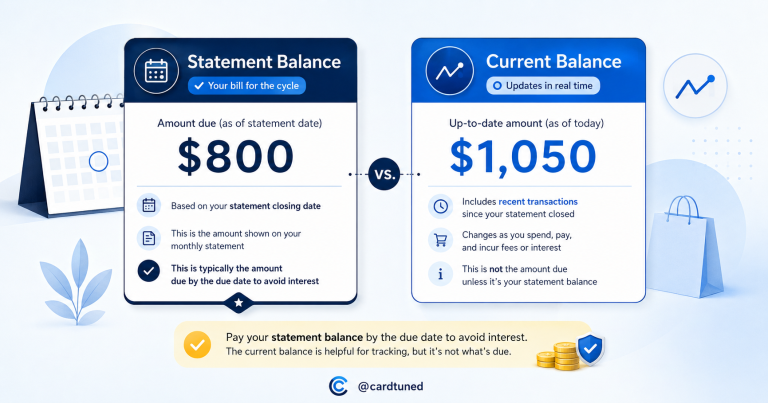
For more on what amount is actually due each month, see CardTuned’s guide to statement balance vs. current balance.
When paying by credit card does not make sense
- The provider offers a cheaper or interest-free payment plan.
- You may qualify for financial assistance or a lower negotiated price.
- The surcharge or lost self-pay discount exceeds the rewards.
- The insurance claim or bill may still be corrected.
- You cannot identify a realistic date for getting the balance to $0.
- You would need to carry the balance beyond the 0% intro period.
CFPB also warns that some medical financing products use deferred-interest structures. That is different from a conventional true 0% introductory purchase APR, so read the terms carefully before converting a medical bill into financing. Read the CFPB guidance →
HSA, FSA and reimbursement considerations
Using a regular rewards card does not by itself determine whether an expense can later be reimbursed from an HSA or FSA. If you plan to charge an expense first and request reimbursement later, save your documentation and confirm your plan’s process. CardTuned is not providing individualized tax advice. See IRS Publication 969 →
Which card should you choose?
Before you apply
- Recheck the current issuer offer and introductory APR period.
- Confirm your provider accepts cards and whether it adds a fee.
- Do not assume “medical” automatically means “drugstore.” Merchant coding controls bonus eligibility.
- Build the payoff plan from the full balance and promotional period—not the minimum payment.
- Do not apply simply to earn a welcome offer on an expense you cannot otherwise afford.
Methodology and disclosure
CardTuned reviewed current issuer-controlled sources and prioritized purchase-APR periods, rewards likely to apply to ordinary medical spending, annual fees, merchant-category limitations, repayment flexibility and provider-fee economics. Welcome offers were treated as secondary considerations, not reasons to incur medical debt.
Bank of America Unlimited Cash Rewards was not selected because its flat-rate role substantially overlaps with Active Cash without adding a clearly different medical-expense use case.
Read more about how CardTuned evaluates credit cards, our Editorial Policy and our Advertiser Disclosure.
Card terms last verified: September 7, 2026. CardTuned provides general educational information, not individualized financial, medical, legal or tax advice.
Explore these cards
Review fees, rewards and conditions, and add cards to your comparison.