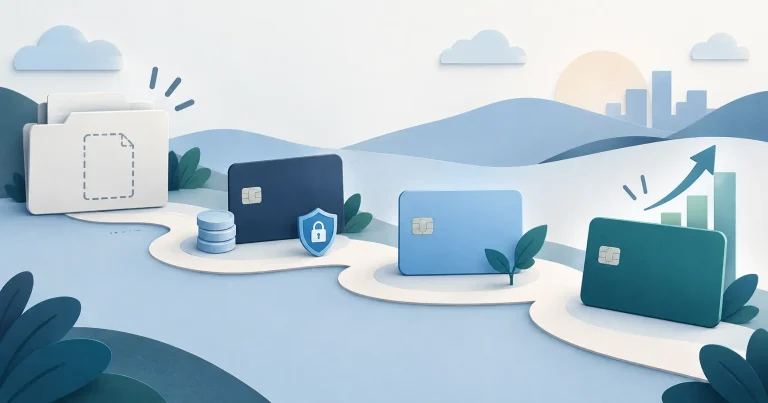
Your first card needs a realistic path to approval, no annual fee, useful rewards, and terms you can manage while building credit—not luxury perks.
Quick answer: Capital One Savor Rewards for Students is our best overall pick for common student spending. Discover it® Student Cash Back stands out for applicants without a credit score, while Capital One Quicksilver Rewards for Students is the simpler choice for flat-rate rewards, eligible ITIN applicants, and study abroad.
This guide focuses on cards for enrolled college students, including students who are new to credit. If you are not a student and have no U.S. credit history, start with our first credit cards with no credit history guide instead.
Review scope: The initial card-terms review was August 27, 2026. The October 6 targeted checks are described below; other terms have not all been reverified on that date. Check the issuer’s current application and pricing disclosures before applying.
Editorial disclosure: CardTuned selects recommendations based on reader fit and published card terms. Compensation, when applicable, does not determine our recommendations. Read our editorial policy, card evaluation standards, and advertiser disclosure.
October 6, 2026 update: Added a first-card decision path and a same-budget rewards comparison. Rechecked the Capital One student bonuses and Discover Cashback Match against the linked issuer pages. This is a targeted update, not a new full-card review.
Best Credit Cards for College Students in 2026: Quick Picks
- Best overall: Capital One Savor Rewards for Students
- Best for no credit history: Discover it® Student Cash Back
- Best for simple rewards, eligible international students, and study abroad: Capital One Quicksilver Rewards for Students
- Travel-credit alternative: Bank of America® Travel Rewards Credit Card for Students
Best Credit Cards for College Students Compared
| Card | Best for | Offer and rewards | Fees and APR |
|---|---|---|---|
| Capital One Savor Student | Food, streaming and entertainment | $50 after $100 in 3 months; 8% Capital One Entertainment, 5% eligible Capital One Travel, 3% eligible everyday categories, 1% elsewhere | $0 annual and foreign transaction fees; 18.74%–28.74% variable; no intro APR shown |
| Discover it Student Cash Back | No credit history; rewards optimizers | First-year Cashback Match; 5% rotating categories up to $1,500 quarterly after activation, 1% elsewhere | $0 annual and foreign transaction fees; 0% purchases for 6 months, then 16.74%–25.74% variable |
| Capital One Quicksilver Student | Simple rewards, ITIN applicants and study abroad | $50 after $100 in 3 months; 5% eligible Capital One Entertainment and Travel, 1.5% elsewhere | $0 annual and foreign transaction fees; 18.74%–28.74% variable; no intro APR shown |
| BofA Travel Rewards Student | Travel and dining statement credits | 25,000 points after $1,000 in 90 days; 3X eligible BofA Travel, 1.5X elsewhere | $0 annual and foreign transaction fees; 0% for 15 billing cycles, then 17.74%–27.74% variable |
Offers apply only when the applicant and account meet the issuer’s terms. Approval, credit limit, and APR depend on the issuer’s review. For offers with a spending target, check how eligible purchases, returns and deadlines affect welcome-offer spending.
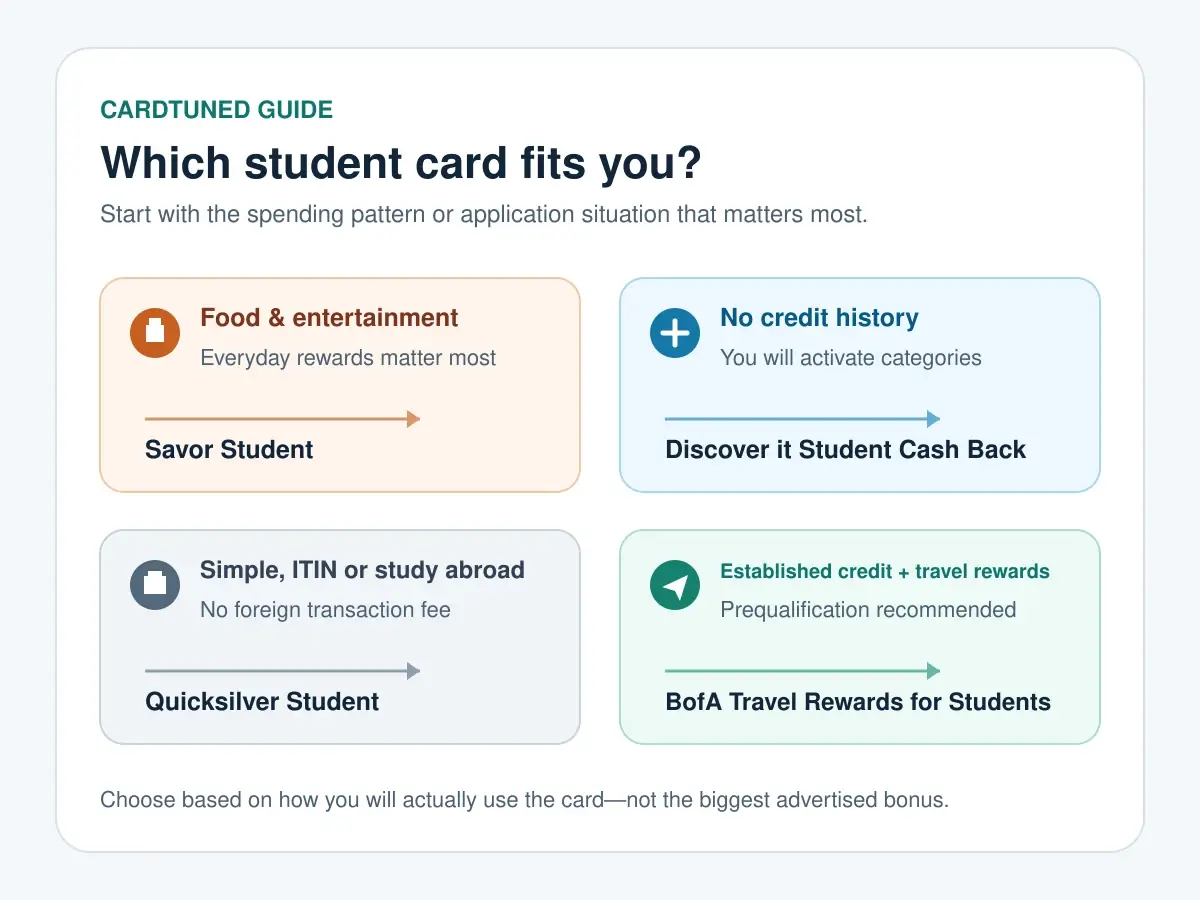
Choose based on how you will use the card—and whether you are likely to qualify—not the biggest advertised bonus.
Which student card should you start with?
If you are looking for a starter credit card to build credit, choose by eligibility first and rewards second. “No credit history” means a thin or missing credit file; it does not mean that past missed payments will be ignored.
- No credit score yet? Discover explicitly allows an application without a credit score. Capital One also offers student options for people establishing credit. Check an available preapproval tool before a full application; neither a student label nor preapproval guarantees approval.
- Not enrolled, or unable to qualify? Compare the first-card and secured-card routes. A deposit does not replace the need to satisfy an issuer’s other requirements.
- Eligible for more than one? Choose Savor for qualifying food and entertainment spending, Quicksilver for one everyday rate, or Discover if you will track and activate quarterly categories.
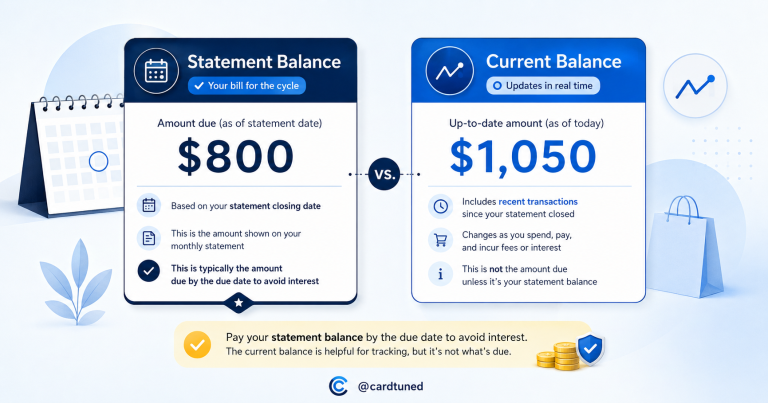
After approval, follow the first-week card setup checklist. If the bill is confusing, learn which balance to pay before optimizing rewards.
Can you apply? Student eligibility and documents compared
Before comparing rewards, check whether your enrollment and identification fit the application. The two Capital One cards share the student definition below, so choosing between them is mainly a spending decision once you meet the requirements.
| Card | Student status and credit | Identification and information to prepare |
|---|---|---|
| Capital One Savor Student Capital One Quicksilver Student | Enrolled at an accredited higher-education institution, or admitted and planning to enroll within 3 months. Capital One describes its student cards as options for limited or no credit history. | SSN or ITIN; address, date of birth, income and school information. Keep enrollment or admission evidence available if requested. |
| Discover it Student Cash Back | No credit score required to apply; an available score may still be used. Be ready to verify enrollment with your name, school and enrollment dates. | Income and contact information plus identity details requested by the application. We did not confirm a Discover-specific ITIN policy; do not assume Capital One’s general policy applies to this product. |
| Bank of America Travel Rewards for Students | Marketed to students; the product page reviewed does not define an admission-before-enrollment window or a minimum credit score. | The general application FAQ lists SSN and gross annual income. This does not establish that ITIN applicants are ineligible; confirm the accepted ID and application route with BofA before applying. |
What to have ready: your current address, date of birth, contact details, school information, income estimate and monthly housing payment. If verification is requested, an enrollment letter, transcript or student ID may help establish student status; pay statements or an employer letter may help establish income. These are preparation examples, not a promise that every issuer accepts the same documents or requires uploads from every applicant.
Under 21? The issuer generally must assess your independent ability to pay, unless a qualifying co-signer or joint applicant aged 21 or older is available. Do not assume an issuer offers that option. Follow the application’s income instructions and our guide to what counts as credit-card application income.
Your next step: With no credit score, start by comparing Discover’s explicit no-score application policy with Capital One’s student options. With an ITIN and no SSN, Capital One has a published ITIN route; confirm the other issuers’ product-specific requirements first. Neither route guarantees approval.
Capital One and Discover provide preapproval checks; BofA’s student page links to prequalification. Read the tool’s terms and the offer it returns. A preliminary result is not final approval, and a full application can involve a hard credit inquiry. Apply selectively and plan to pay the statement balance in full.
Sources: Savor student definition; Quicksilver student definition; Capital One ITIN guidance; Capital One application preparation; Discover eligibility; Discover document examples; BofA student product and prequalification; BofA application FAQ; CFPB under-21 rule.
Capital One Savor Rewards for Students: Best overall
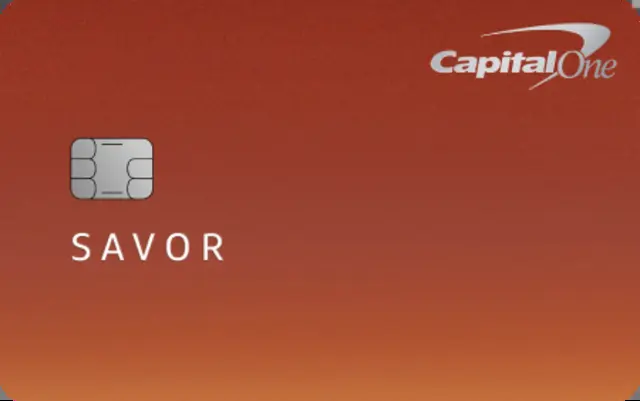
Image courtesy of Capital One.
Savor Student is the strongest all-around choice when groceries, dining, streaming, and entertainment make up a large share of your budget.
Why it fits
The 3% categories match common student expenses without quarterly activation, and the card can remain useful after graduation.
For example, $200 a month at eligible grocery stores, $150 on dining, $40 on eligible streaming and entertainment, and $310 on other purchases would earn about $177.60 a year. Add the current $50 bonus and the first-year total becomes about $227.60. That estimate does not include any 5% or 8% portal purchases.
Key details
- Annual fee: $0
- Welcome offer: $50 cash bonus after $100 in purchases within three months
- Rewards: 8% on eligible Capital One Entertainment purchases; 5% on hotels, vacation rentals, rental cars, and activities booked through Capital One Travel; 3% at eligible grocery stores and on dining, entertainment, and popular streaming services; 1% on other purchases
- Foreign transaction fee: $0
- Intro APR: None advertised
- Regular APR: 18.74%–28.74% variable
- Credit positioning: Capital One markets it for fair credit; no guaranteed minimum score
- Student requirement: Currently enrolled, or admitted and planning to enroll within three months, at an accredited higher-education institution
Main limitation
Walmart, Target, and other superstores do not qualify as grocery stores. Merchant coding can also keep food counters, hotel restaurants, digital-wallet transactions, or third-party payments from earning 3%.
The 8% rate requires an eligible purchase through Capital One Entertainment, while 5% travel rewards require eligible Capital One Travel bookings. Compare portal prices and cancellation rules with booking directly.
Capital One’s current disclosure says there is no transfer fee for a balance transferred at the regular Transfer APR. A 4% fee applies to a balance posted at a promotional APR Capital One may offer. Confirm the terms shown with your application.
Check the current Savor Student offer, rates, and disclosures.
Discover it Student Cash Back: Best for no credit history

Image courtesy of Discover.
Discover says no credit score is required to apply. Approval is not guaranteed, but students without a credit file get a clearer starting point.
Why it fits
Discover’s Cashback Match can make the first year especially valuable. Suppose you spend $700 a month, with $500 total per quarter—not per month—in activated 5% categories. That produces about $164 in cash back over one year. The match adds another $164, bringing the estimated first-year total to about $328.
Key details
- Annual fee: $0
- Welcome offer: Automatic dollar-for-dollar match of first-year cash back
- Rewards: 5% in rotating quarterly categories on up to $1,500 in combined quarterly purchases after activation; 1% on other purchases
- Foreign transaction fee: $0
- Intro APR: 0% on purchases for six months
- Regular APR: 16.74%–25.74% variable
- Credit requirement: No credit score required to apply; approval still depends on the full application
- Student requirement: Designed for enrolled students; proof of enrollment may be requested
Main limitation
You must activate the 5% category each quarter. Spending above the $1,500 quarterly cap and purchases outside the active category earn 1%.
Discover has no foreign transaction fee, but acceptance can be less consistent outside the United States. Do not rely on it as your only card for a semester abroad.
If you want Discover’s first-year Cashback Match without quarterly activation, compare Discover it® Student Chrome. It earns 2% at gas stations and restaurants on up to $1,000 in combined purchases each quarter, automatically, then 1%.
Review Discover’s current offer, rates, and fees and 5% category details.
Capital One Quicksilver Rewards for Students: Best simple card
Image courtesy of Capital One.
Quicksilver Student is the easiest card here to manage. Everyday purchases earn the same 1.5% rate, with additional rewards through Capital One’s travel and entertainment platforms.
Why it fits
There are no rotating categories or quarterly caps, making it easier to focus on paying the bill instead of optimizing rewards.
Capital One says applicants may use an Individual Taxpayer Identification Number, or ITIN, instead of an SSN. That makes Quicksilver worth considering for an eligible international student who meets the enrollment, income, identity, address, and creditworthiness requirements.
It is also our preferred study-abroad starting point because it has no foreign transaction fee and simpler rewards.
Key details
- Annual fee: $0
- Welcome offer: $50 cash bonus after $100 in purchases within three months
- Rewards: 5% on eligible Capital One Entertainment purchases and eligible hotels, vacation rentals, rental cars, and activities booked through Capital One Travel; 1.5% on other purchases
- Foreign transaction fee: $0
- Intro APR: None advertised
- Regular APR: 18.74%–28.74% variable
- Credit positioning: Fair credit; no guaranteed score cutoff
- Student requirement: The same enrollment definition as Savor Student
Main limitation
Simplicity can mean lower rewards. On $8,400 in annual non-portal spending, 1.5% cash back equals $126. Students who spend heavily in Savor’s 3% categories or consistently use Discover’s rotating categories may earn more elsewhere.
The Capital One transfer-fee structure is the same as for Savor Student: no fee at the regular Transfer APR and 4% for a balance posted at a promotional APR that may be offered.
Check the current Quicksilver Student offer, rates, and disclosures.
Bank of America Travel Rewards for Students: Conditional travel pick
Image courtesy of Bank of America.
This card suits students who prefer travel and dining statement credits. The public product page does not promise approval without a credit score; that is different from a published requirement to have established credit.
Why it fits
Points can be used as a statement credit toward eligible travel and dining purchases. The 25,000-point offer is larger than the Capital One student-card bonuses.
Key details
- Annual fee: $0
- Welcome offer: 25,000 points after at least $1,000 in purchases within 90 days, worth $250 toward eligible redemptions
- Rewards: 3 points per $1 on eligible travel booked through BofA Travel; 1.5 points per $1 on other purchases
- Foreign transaction fee: $0
- Intro APR: 0% for 15 billing cycles on purchases and on balance transfers made within the first 60 days
- Regular APR: 17.74%–27.74% variable
- Balance-transfer fee: 3% during the first 60 days; 5% on future transfers
- Credit requirement: Bank of America publishes no minimum score; unlike Discover, it does not state that no score is required to apply
- Student requirement: Marketed to students, but the public listing does not provide a detailed enrollment definition
Main limitation
The “student” label should not be read as easy approval. Check Bank of America’s personalized offers before applying; the issuer says this check does not affect your credit score, but it still does not guarantee approval.
The bonus also requires $1,000 in spending within 90 days. Do not spend more than planned to reach it. Travel booked for 3 points per $1 must go through Bank of America’s portal, so compare prices and cancellation terms.
Review Bank of America’s current card listing, rates, and fees and check personalized offers without affecting your credit score.
What would you earn on a $700 monthly budget?
Illustrative budget: $700 a month, or $8,400 a year: $200 at eligible grocery stores, $150 dining, $40 eligible streaming and entertainment, and $310 elsewhere. No portal purchases, interest, fees or extra spending to earn bonuses. These are calculations, not promised rewards.
| Card | Annual rewards before bonus | First year if eligible |
|---|---|---|
| Savor Student | $177.60 | $227.60 with the $50 bonus |
| Quicksilver Student | $126.00 | $176.00 with the $50 bonus |
| Discover Student Cash Back | $164.00 | $328.00 including Cashback Match |
How the math works: Savor: ($390 × 3% + $310 × 1%) × 12. Quicksilver: $8,400 × 1.5%. For Discover, assume $500 of the same spending qualifies in each activated quarter: $2,000 × 5% + $6,400 × 1% = $164. Actual quarterly categories may not fit that budget; with no 5% spending, the annual amount is $84 before the first-year match.
Savor earns $51.60 more a year than Quicksilver in this example. If only $175 of a $700 monthly budget qualifies for Savor’s 3% categories, the two earn the same amount before bonuses. That makes your actual store mix more useful than the headline rewards rate.
Two situations that change the answer
You plan to study abroad
Start with Quicksilver Student for simple rewards or Savor Student if its categories fit your spending. Consider Bank of America Travel Rewards Student if travel and dining statement credits fit your plans and its application requirements fit your situation. Carry a backup payment method regardless of which card you choose.
For more travel options, see our no-annual-fee travel credit card guide.
You expect to carry a balance
Rewards should not drive the decision. A $1,000 balance at roughly 25% APR can generate about $250 in interest over a year if the balance stays near $1,000—far more than most students earn in rewards. Consider a verified 0% purchase offer only for a necessary expense with a written payoff plan.
Five habits that matter more than rewards
Your first step after approval: Use our first-week credit card setup checklist to set up payments, alerts, and a manageable first purchase before focusing on rewards.
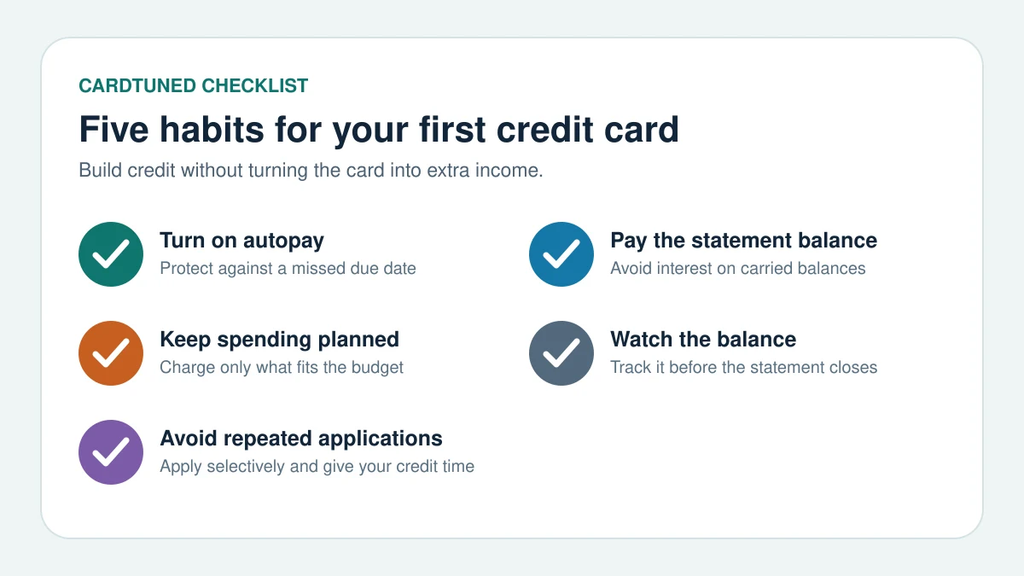
A first card works best as a credit-building tool, not as extra income.
- Turn on autopay. At minimum, protect yourself from an accidental late payment.
- Pay the full statement balance. When a grace period applies and you are not already carrying a balance, paying in full by the due date generally avoids interest on new purchases. You do not need to pay interest to build credit.
- Use the card for planned expenses. One bill or grocery trip is enough to build payment history.
- Watch the balance. Student cards may begin with low limits, so ordinary purchases can create high utilization. For example, a $150 reported balance on a $500 limit is 30%. See how statement timing differs from the payment due date.
- Avoid repeated applications. If denied, read the adverse-action notice before trying another card.
Frequently asked questions
Can a student get a credit card with no credit history?
Yes, although approval is never guaranteed. Discover says no credit score is required to apply for its student cards. Capital One positions its student cards for fair or establishing credit.
What credit score do I need?
There is no universal minimum. Issuers also evaluate income, debt, identity information, and payment history. Bank of America does not publish a minimum score for its Travel Rewards student card, so check for personalized offers before applying.
Is a student card better than a secured card?
Try a suitable no-annual-fee student card first if you meet its requirements. A secured card requires a refundable deposit and can be a useful fallback if you cannot qualify for an unsecured card.
Should I choose rewards or a 0% intro APR?
Choose rewards when you will pay in full. A 0% offer matters more for a necessary purchase with a payoff schedule; any balance left when the promotion ends becomes subject to the regular APR.
Which student credit card should you choose?
Capital One Savor Rewards for Students is the best overall choice for many college students in 2026. Its 3% categories match common student spending, while Capital One Travel and Entertainment add higher earning opportunities.
Choose Discover it Student Cash Back when no credit history is the main concern, and Quicksilver Student when simplicity, an ITIN, or studying abroad is the priority. Treat Bank of America Travel Rewards Student as an alternative when you will use travel and dining statement credits; check its application requirements first.
Aim for consistent on-time payments and manageable balances rather than a larger bonus. The CFPB explains that carrying a balance is not required for a good credit score.
Editorial update — October 11, 2026: Added an issuer-by-issuer eligibility and document comparison, clarified unconfirmed ITIN policies, and refreshed the displayed Capital One student and Discover purchase APRs from the linked product pages. Layout and reading order were also reviewed. This is a targeted check, not a new verification of every offer, fee or benefit.
Explore these cards
Review fees, rewards and conditions, and add cards to your comparison.