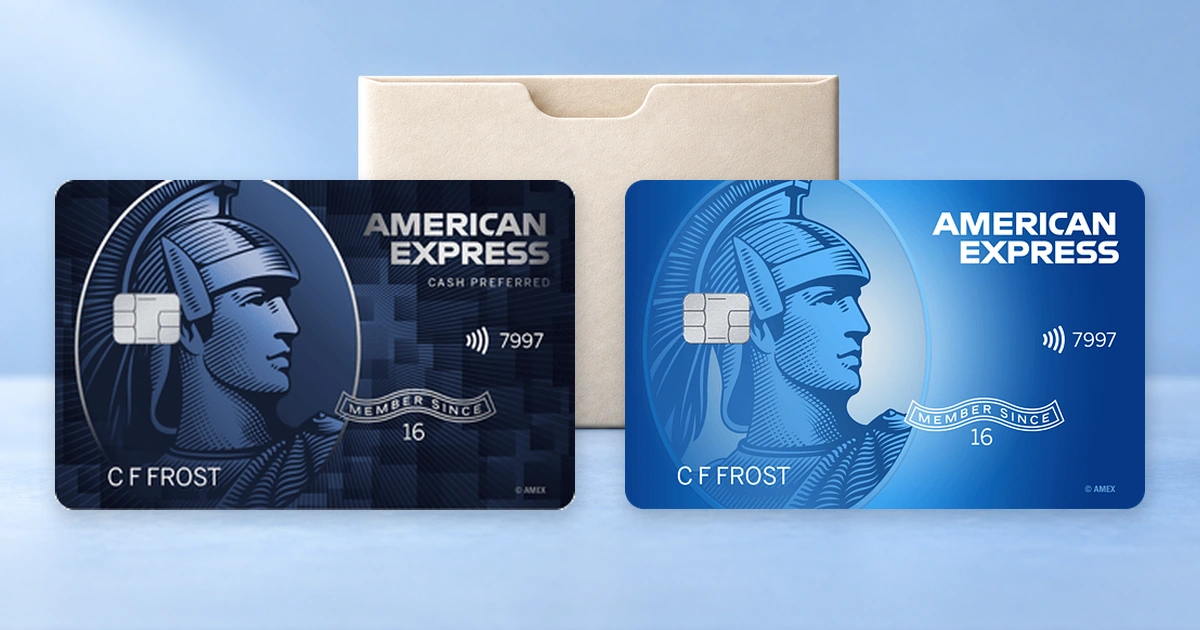
You like having the account, but you no longer like the card. A credit card product change may let you replace its rewards and fee structure without opening a separate account. Before saying yes, confirm what the issuer means by “switch.”
A true product change modifies an existing account. It often preserves account age and avoids a new application, but the available cards, credit review, limit, rewards and fees depend on the issuer and the specific conversion.
An upgrade, downgrade and new application are different
An upgrade usually moves you to a card with more benefits and possibly a higher fee. A downgrade generally reduces the fee or benefits. A sideways change might replace one rewards structure with another. Those labels describe the destination; they do not establish how the issuer will report the account.
Chase’s product-change guide notes that issuers differ and some switches require opening a new account and closing the old one. Ask directly: “Will this remain the same account, with the original opening date?” If the answer is no, evaluate it as a new application and closure.
| Item | Typical true product change | Question that settles it |
|---|---|---|
| Account age | Existing history often continues | Will the original opening date remain? |
| Credit inquiry | Often no hard inquiry | Will this request cause a hard inquiry? |
| Credit limit | May remain, but is not guaranteed | What will the limit be, and is extra review needed? |
| Card details | Number or expiration may change | Which payment credentials must I update? |
| Rewards and benefits | New rules may replace old ones | What transfers, expires or ends—and when? |
Preserving the account does not preserve every benefit
Write down the benefits you are actively using before the switch. Check pending travel, a purchase-protection claim, recurring credits and an offer you already enrolled in. Do not infer coverage for an old purchase from the new card’s marketing page; ask about the benefit guide applicable to that transaction.
A specific example appears in Amex Offers terms: changing to a card that is not eligible for an offer can end eligibility despite prior enrollment, and offer rewards may be reversed. A saved screenshot of the offer helps you ask a precise question; it does not override the terms.
Do not treat a conversion as a new-card bonus
A public welcome offer is for the application route and eligibility stated in that offer. It does not automatically attach to a product change. A separately offered upgrade incentive may exist, but evaluate its written conditions on its own.
Future eligibility is a different issue. For example, Chase’s Sapphire Preferred terms say the bonus may be unavailable to someone who previously held the card or received its bonus, and may consider broader opening and closing history. Owning a card through a conversion therefore deserves attention even when you did not receive a welcome bonus.
What about Chase 5/24?
The commonly reported 5/24 rule concerns recent account openings. As an inference, a conversion that preserves the same account and opening date should not be treated like opening another account. That does not reset your existing history or guarantee approval for another Chase card. The rule itself is not a fully published universal eligibility policy.
Confirm reporting with the issuer and inspect your reports afterward. Our Chase 5/24 guide separates reported practice from published application terms.
A real example: Blue Cash Preferred to Blue Cash Everyday
Amex’s own comparison says a downgrade from Blue Cash Preferred to Blue Cash Everyday is possible within that card family and directs cardmembers to call. This is evidence of an actual conversion route, not a guarantee that every Amex card can become Everyday.
The same comparison lists Preferred’s $95 ongoing annual fee after its introductory first year and Everyday’s $0 annual fee. If your account is offered that downgrade, the ongoing fee saving is $95. Your renewal-fee adjustment is a separate amount.
For illustration, suppose the lower reward rates would cost you $60 a year on the same purchases and you assign no value to the lost benefits. The ongoing gain would be $95 − $60 = $35. Those spending results are hypothetical; the named conversion and listed fees come from Amex. Ask for the actual effective date, reward treatment and any conditions attached to an earlier offer.
Before and after the switch
- Get the exact product name, fee, rewards rules, inquiry treatment and account-reporting treatment.
- Resolve rewards access and benefits you still need before accepting.
- Save the effective date and any offer terms.
- Activate the replacement when required and check recurring payments and wallet details.
- Review the next statement and credit report for the agreed outcome.
A product change is useful when the replacement makes the existing account worth keeping. If the only suitable card requires a separate application, compare that decision openly instead of assuming the word “upgrade” makes it harmless.